Garage Door Spring Replacement Cost Ranges (Sacramento)
Spring replacement is one of the most common garage door repairs, and the price depends heavily on which type of spring your door uses and how many need replacing. The figures below are general industry price ranges for the Sacramento area, not a quote. They reflect typical parts-plus-labor totals for a standard residential door; your exact price is confirmed in writing before work starts.
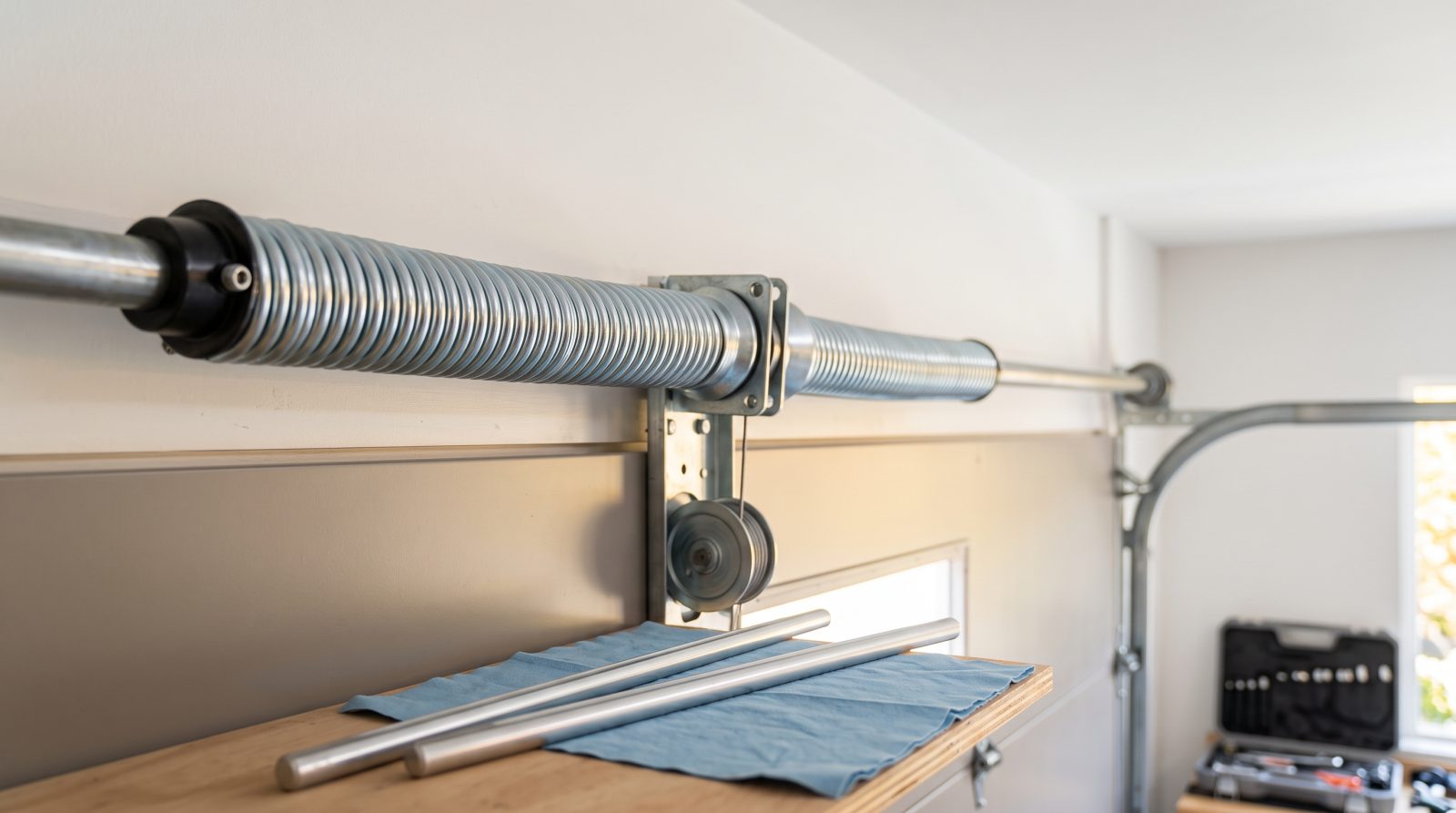
The single biggest swing is torsion versus extension springs and whether you replace one or both. On a two-spring torsion system, replacing both springs at the same time is a common recommendation, even if only one snapped. The reason is practical and can save you money long-term: paired springs have endured the same number of open-close cycles, so the surviving spring is often not far behind the one that failed. Replacing both in one visit avoids a second service call and a second trip charge.
- Single torsion spring replacement: roughly $180-$350 typical (parts + labor), varies by spring size and door.
- Pair of torsion springs (a common recommendation): roughly $250-$500 typical, since both are replaced and re-balanced together.
- Extension spring replacement (lighter doors / older systems): roughly $150-$300 typical for the pair.
- Heavy, oversized, or high-cycle springs (3-car, insulated, or carriage-style doors): can run higher than the ranges above.
- Add-on work often bundled in: replacing worn cables, lubricating the system, and re-balancing the door so the opener isn't overworked.
What Drives the Price Up or Down
Two Sacramento homes can get very different spring quotes, and it usually comes down to the door itself rather than the labor. Understanding these factors helps you read a quote and know whether it's fair.
Spring quality matters more than most homeowners realize. Springs are rated by cycle life: a standard spring is often rated around 10,000 cycles, while a high-cycle spring can be rated 20,000, 30,000, or more. A high-cycle spring costs more up front but can last considerably longer, which is worth considering for a busy household that runs the door many times a day. A good technician will tell you the cycle rating of what they're installing instead of quietly fitting the cheapest part.
- Spring type and count: torsion systems and two-spring replacements cost more than a single light extension spring.
- Door weight and size: heavier insulated steel, solid wood, and three-car doors need larger, pricier springs.
- Cycle rating: standard vs. high-cycle springs trade a higher up-front cost for longer life.
- Condition of related parts: frayed cables, worn bearings, or a damaged center bearing plate may need replacing at the same time.
- Whether the door is balanced afterward: a proper job includes re-balancing, not just bolting on a new spring.
Sacramento Realities That Affect Garage Door Springs
Springs don't fail randomly; they wear out from cycles and from the environment they live in, and Sacramento's climate is genuinely hard on them. Our long, hot Central Valley summers, where attached garages can sit well over 100 degrees for days during a heat wave, combined with cool Delta-breeze nights and damp winter mornings, mean the metal expands and contracts constantly. That thermal cycling, plus the fine valley dust that coats coils and dries out factory lubrication, accelerates fatigue and surface corrosion on bare springs.
Usage patterns in the region add to it. Across neighborhoods from Land Park and East Sacramento to newer developments in Natomas, Elk Grove, Folsom, Roseville, and Rancho Cordova, the garage is the main entrance for a lot of households, so doors cycle many more times a day than the front door does. More cycles means springs reach the end of their rated life faster. Because we're a mobile service, the technician comes to your home anywhere across the metro and does the swap in your driveway, which also means we see firsthand how local conditions wear these parts and can recommend a spring rated for the way you actually use your door.
- Valley heat and big day-to-night temperature swings speed up metal fatigue on bare springs.
- Airborne dust dries out factory grease, so springs running dry wear and rust faster.
- Homes that use the garage as the main door rack up cycles quickly, shortening spring life.
- Mobile service means we come to you across Sacramento, Elk Grove, Folsom, Roseville, Natomas, and surrounding areas.
Why DIY Spring Replacement Usually Isn't Worth It
Garage door springs are under extreme tension; a torsion spring holds enough stored energy to cause serious injury or worse if it slips during removal. This is the one garage repair that experienced handy homeowners are routinely warned to leave to a professional. The winding bars, the technique for unloading tension safely, and the correct spring size for your door's exact weight are not things to improvise, and the wrong spring will either fail early or strain your opener.
There's a cost angle too. The springs themselves are not the expensive part; the value is in correct sizing, safe installation, and a properly balanced door afterward. A mis-sized DIY spring can wear the opener and other parts prematurely, turning a one-time repair into a chain of failures that cost more than the original job. When you weigh the price ranges above against the risk and the specialized tools required, professional mobile replacement is almost always the smarter spend. Request a free quote and you'll get the real number for your door before any wrench is turned.
- Torsion springs store dangerous energy; improper handling can cause severe injuries.
- The right spring is matched to your door's exact weight, not a generic part off a shelf.
- A wrong spring overworks the opener and can shorten the life of cables, rollers, and motor.
- Professional installation includes safe tensioning and re-balancing the door, which DIY often skips.